







Defend Your Property Rights & Protect Your Investments

Residential and Corporate Real Estate Representation

Real Estate Law (2)
Reliable Representation for Real Estate Clients in Southwestern Pennsylvania

Safeguarding Your Real Estate Assets in Southwestern Pennsylvania

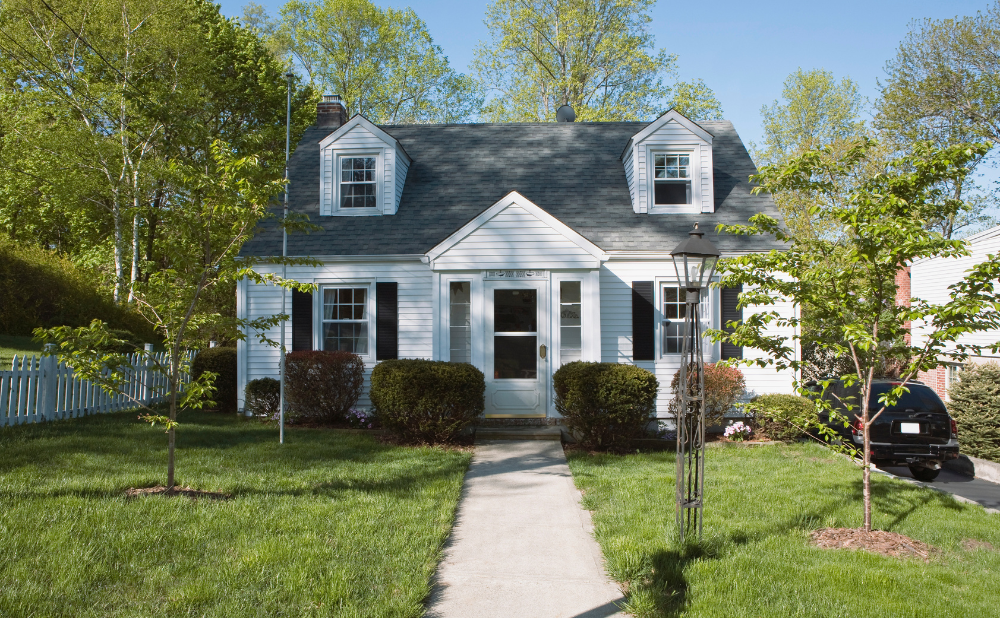
A real estate transaction is one of the largest financial commitments most people make. When it goes smoothly, legal representation is easy to overlook. When something goes wrong, having an attorney who understands Pennsylvania real estate law and knows the local courts makes the difference between a problem that gets resolved and one that gets worse. We handle residential and commercial real estate matters across Westmoreland County, Allegheny County, and Fayette County, from purchase agreements through closing and from property disputes through title litigation.

  • Personalized Service
  • Unwavering Support
  • Straightforward Advice
  • Meticulous Due Diligence

Real Estate Law Cases

Navigating real estate law demands the kind of knowledge that comes from experienced property attorneys. We have represented property owners, buyers, sellers, landlords, tenants, HOA boards, and homeowners in dispute across Western Pennsylvania.

  • Property Disputes
  • Zoning Variances
  • Agreement of Sale
  • Easement
  • HOA
  • Quiet Title Act
  • Landlord/Tenant Issues
Real Estate - Property Disputes

Property disputes rarely start as legal matters. They start as a boundary question, an easement disagreement, or a neighbor who believes they have rights to something they do not. By the time someone calls an attorney, the situation has often escalated. Our attorneys represent property owners in disputes involving boundaries, encroachments, easements, and competing claims to title across Westmoreland County, Allegheny County, and Fayette County. Getting the right legal foundation under a dispute early tends to resolve it faster.

  • Boundary Disputes
  • Easement Conflicts
  • Encroachment Issues
  • Trespass Claims
  • Title Defects
  • Quiet Title Actions
Real Estate - Property Disputes

Zoning regulations in Pennsylvania are set at the local municipality level, which means the rules vary significantly from one township or borough to the next. When a property owner wants to use land in a way the zoning code does not permit, a variance or special exception is required. The process involves appearing before the local zoning hearing boards and making a legal argument for why the variance should be granted. Bumbaugh | George | Prather | DeDiana represents property owners, developers, and businesses in zoning variance proceedings throughout the region.

  • Zoning Variances
  • Special Exceptions
  • Conditional Use Permits
  • Zoning Appeals
  • Land Use Planning
  • Municipal Compliance
Real Estate - Agreement of Sale

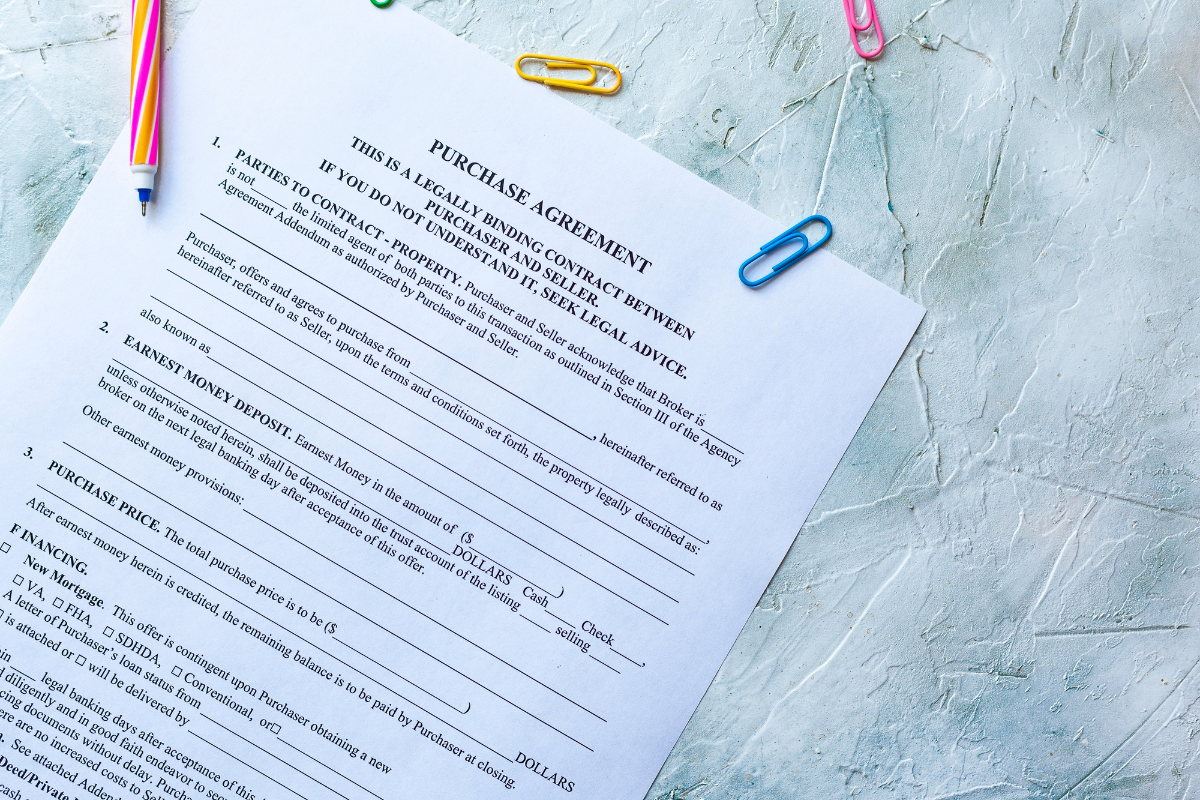
An agreement of sale is a binding contract. The terms set at signing shape every aspect of the transaction that follows, including what inspections can be done, what disclosures must be made, what happens if the deal falls through, and who bears responsibility when something unexpected surfaces. Pennsylvania law requires sellers to disclose known material defects under the Real Estate Seller Disclosure Law. Attorney review of an agreement of sale before signing protects both buyers and sellers from terms they did not fully understand when they agreed to them.

  • Contract Drafting & Review
  • Seller Disclosure Compliance
  • Contingency Negotiation
  • Title Insurance & Review
  • Settlement Coordination
  • Dispute Resolution
Real Estate - Easement

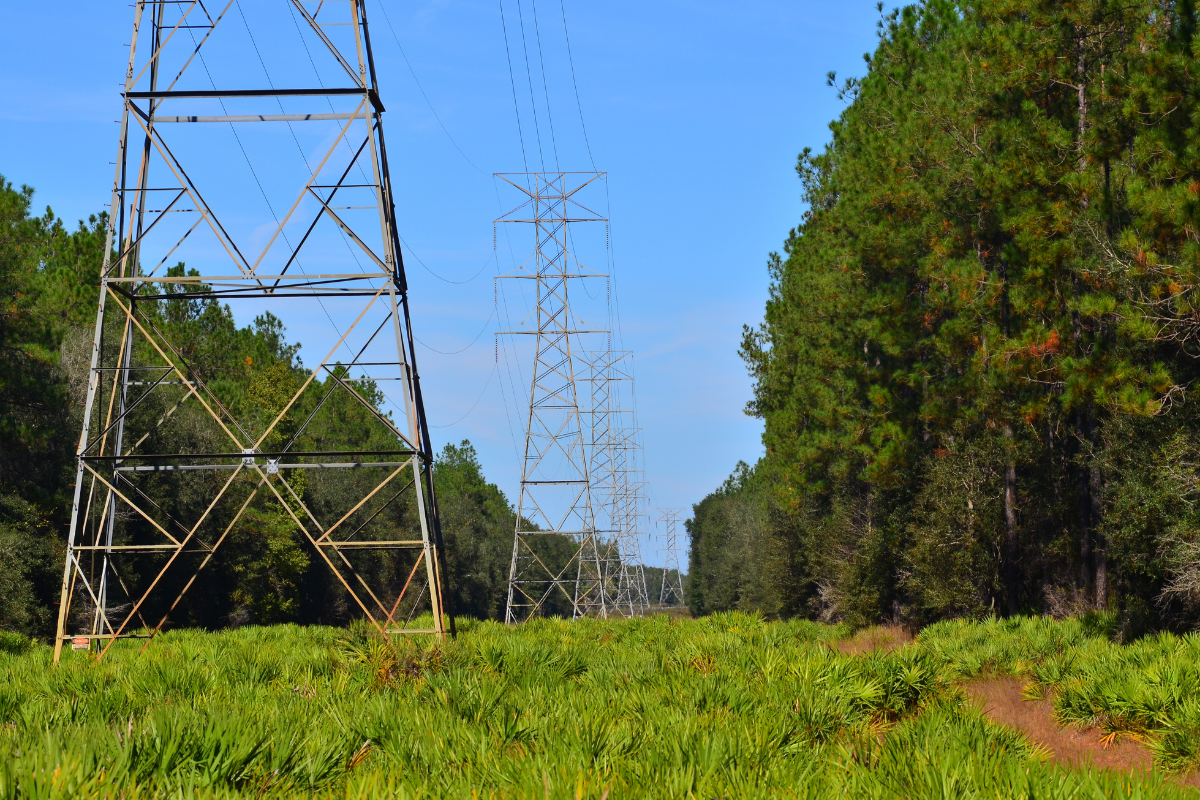
An easement gives someone the legal right to use another person's property for a specific purpose, such as a shared driveway, utility access, or a recorded right-of-way. Easements run with the land, meaning they transfer when the property is sold. Disputes arise when the scope of an easement is unclear, when a property owner tries to block access, or when a previously unrecorded easement surfaces during a title search. We handle easement creation, interpretation, and litigation in Westmoreland and Allegheny County courts.

  • Easement Creation
  • Easement Disputes
  • Right-of-Way Issues
  • Utility Easements
  • Access Disputes
  • Easement Termination
Real Estate - HOA

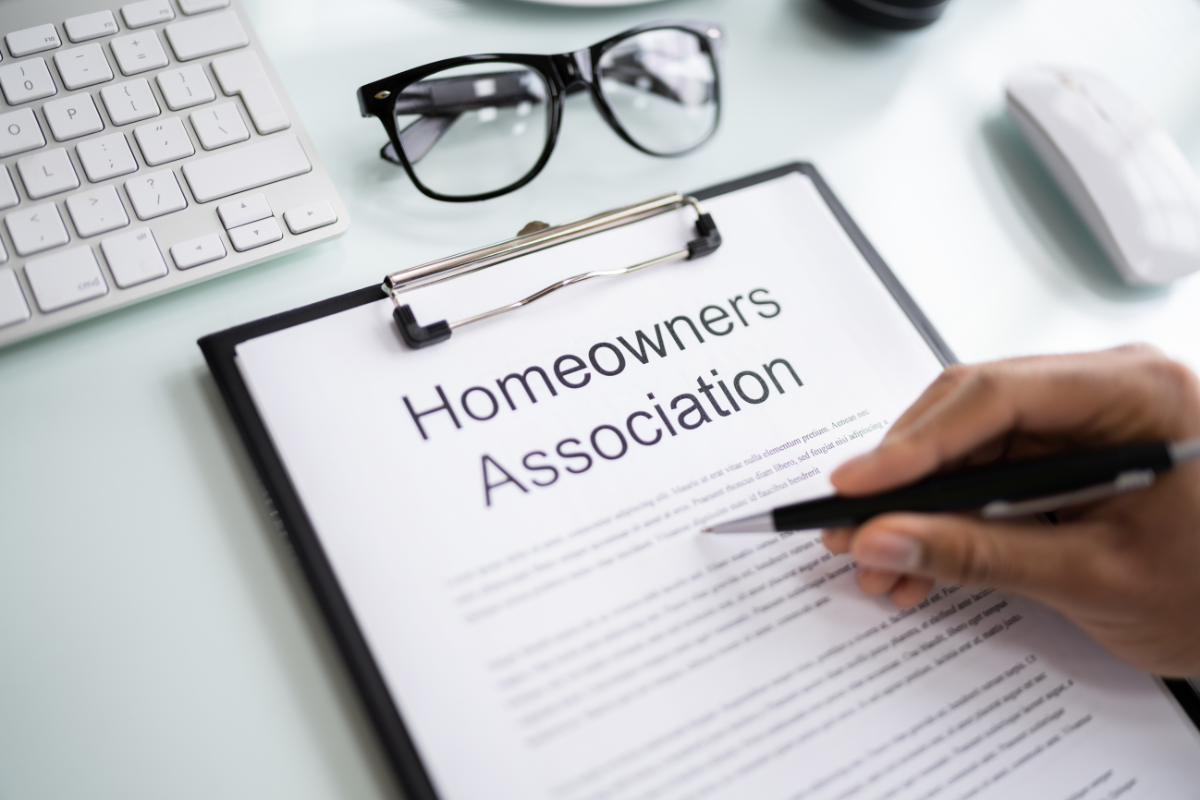
Condominium and/or homeowner association disputes can escalate quickly. A fine, an enforcement letter, or a board decision that feels arbitrary can leave homeowners feeling powerless against an entity that controls where they park, what they plant, and whether they can add a deck. Pennsylvania's Uniform Condominium Planned Community Acts govern HOA authority throughout the state, and it gives homeowners real protections that boards sometimes overlook. Bumbaugh | George | Prather | DeDiana represents both individual homeowners in disputes with their associations and HOA boards seeking proper legal guidance on enforcement, governance, and rule amendments.

  • Homeowner Representation
  • HOA Board Representation
  • CC&R Enforcement
  • Rule Amendments
  • Fines and Collections
  • Condo Association Disputes
  • Board Governance
  • PA Uniform Planned Community Act
Real Estate - Quiet Title Act

A Quiet Title action is a court proceeding used to resolve competing claims to ownership of real property. The most common situations involve disputed heirs, gaps in a chain of title, adverse possession claims, or property that changed hands informally over generations without proper documentation. In Pennsylvania, Quiet Title actions are filed in the Court of Common Pleas. A successful action produces a court order establishing clear ownership that can be recorded with the county recorder of deeds. We handle Quiet Title matters in Westmoreland County and Allegheny County.

  • Disputed Ownership
  • Adverse Possession
  • Title Chain Gaps
  • Heir Disputes
  • Court of Common Pleas Filings
  • Deed Recording
Real Estate - Landlord_Tenant Issues

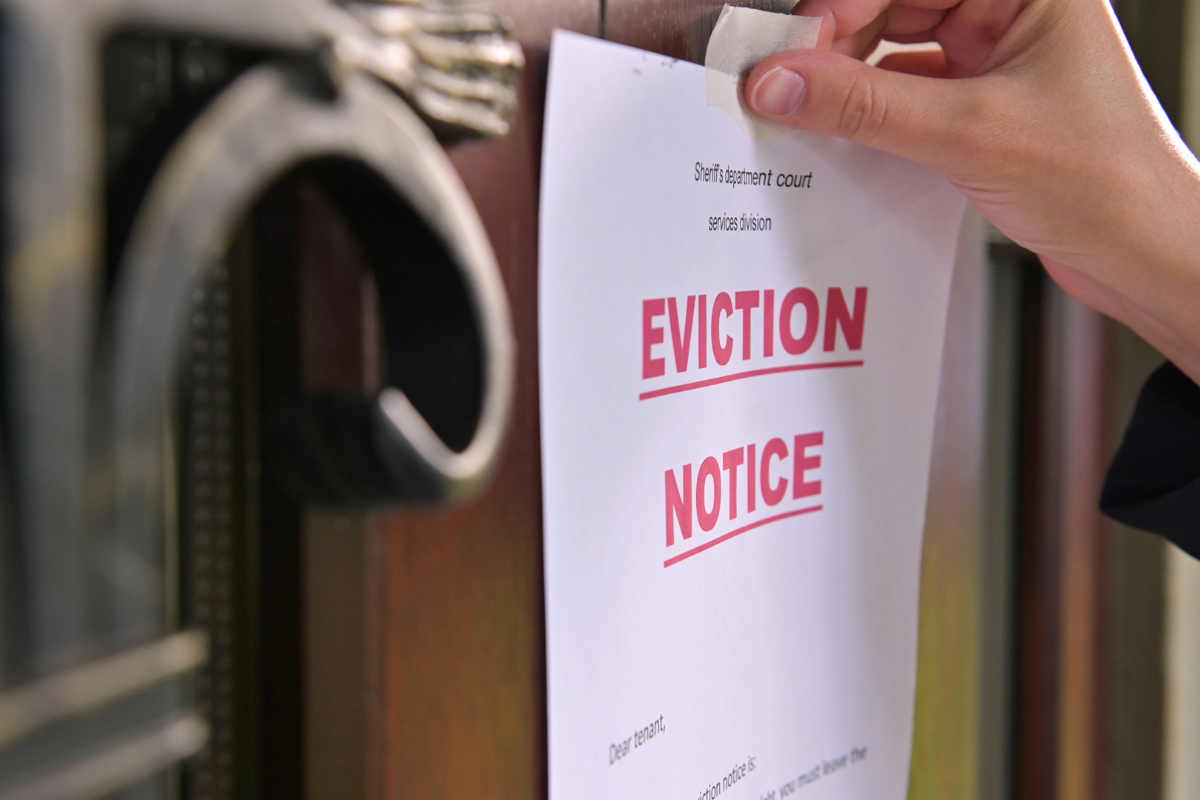
Landlord and tenant disputes in Pennsylvania are governed by the Landlord and Tenant Act of 1951 and a range of local ordinances that vary by municipality. For landlords, we handle lease drafting, eviction proceedings, and collections. For commercial tenants, we address wrongful eviction, security deposit disputes, and lease violations. Knowing which procedures apply, where to file, and how the local courts handle these matters in Westmoreland County makes a significant difference in how quickly and effectively a dispute resolves.

  • Lease Drafting
  • Eviction Proceedings
  • Security Deposit Disputes
  • Lease Violation Defense
  • Collections
  • Wrongful Eviction Defense
Corporate Property Lawyers in Southwestern Pennsylvania

Protecting Your Property Rights & Business Interests

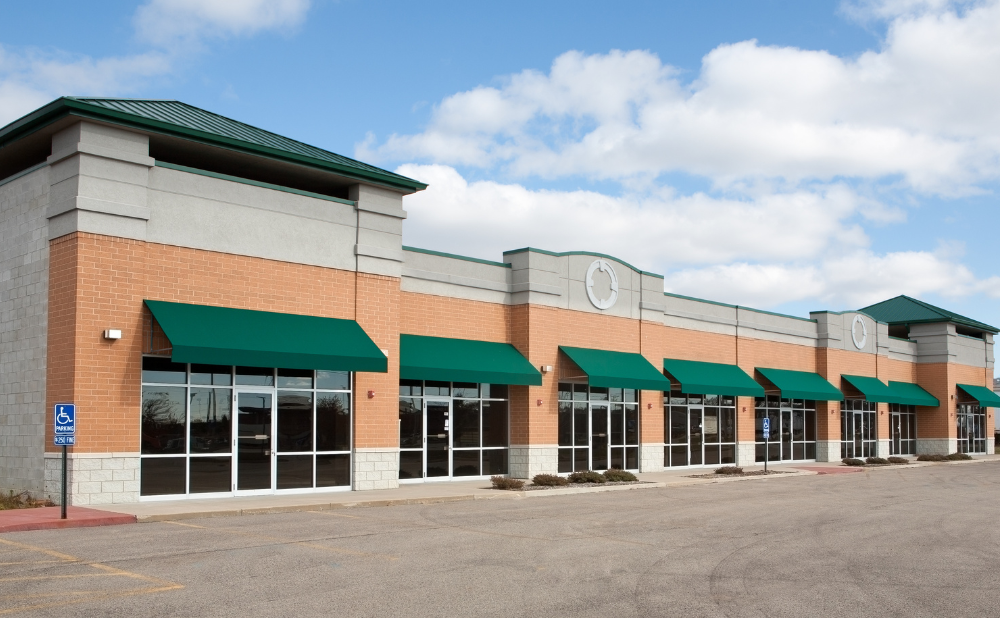
Commercial real estate transactions carry different risks than residential ones. The stakes are higher, the documents are more complex, and a missed detail in a purchase agreement or commercial lease can have consequences that persist for years. Bumbaugh | George | Prather | DeDiana represents business owners, landlords, investors, and commercial tenants in transactions and disputes throughout Western Pennsylvania. We handle contract review and negotiation, commercial leasing, entity ownership issues, and property disputes that arise in a business context.

  • Board Representation
  • Landlord Advisory
  • Business Risk Mitigation
Corporate Real Estate Law
HOA & Condo Association Legal Services

Representing Homeowners and Associations Across Western Pennsylvania

HOA and condo association disputes are some of the most personal legal conflicts a homeowner faces. The association controls the neighborhood, can levy fines, place liens, and restrict what you do with property you own. Homeowners who push back without understanding their rights under the governing documents and Pennsylvania law often find themselves at a real disadvantage.

Bumbaugh | George | Prather | DeDiana represents both sides of this relationship. We advise individual homeowners who are facing enforcement action, disputed fines, or association overreach. We also represent HOA and condo association boards that need proper legal guidance on enforcement, collections, rule amendments, and governance. Homeowners and boards throughout Westmoreland County and Allegheny County, including planned communities in North Huntingdon, Murrysville, and surrounding areas, regularly turn to us for this work.

  • For Homeowners
  • For HOA & Condo Boards

Receiving an enforcement letter or a fine from your HOA does not mean the association is right. Pennsylvania law and the association’s own governing documents define what the board can and cannot do. When an HOA oversteps, there are remedies.


  • CC&R Dispute Defense
  • Fine and Assessment Challenges
  • Lien Defense and Removal
  • Selective Enforcement Claims
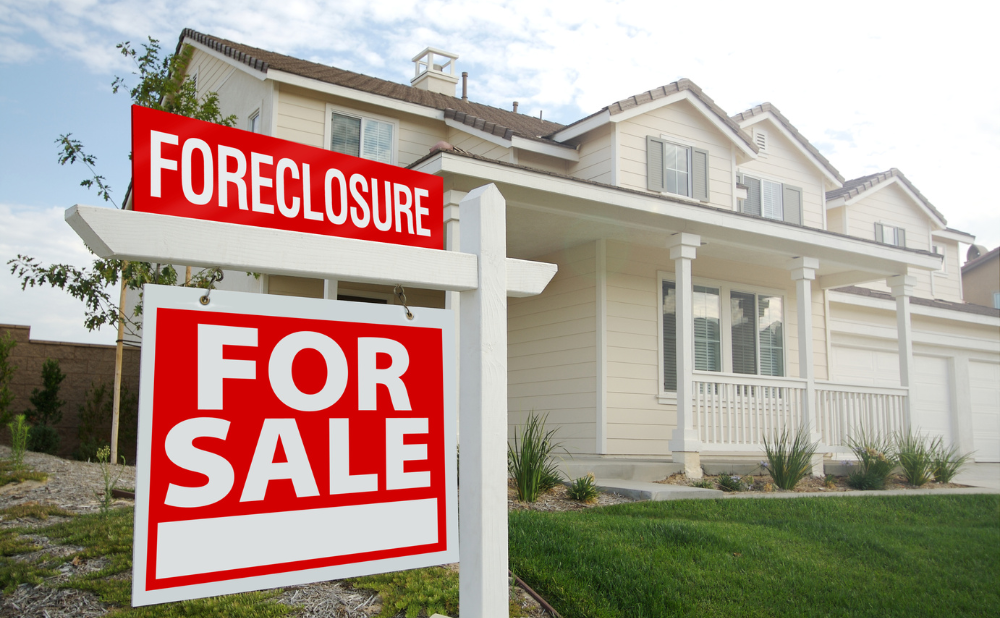
  • HOA Foreclosure Defense
  • Record Inspection Rights
For Homeowners

Association boards carry real legal responsibility. Enforcing rules inconsistently, failing to follow proper procedures, or acting outside the authority granted by the governing documents can expose the board to liability. Sound legal counsel prevents those problems.


  • CC&R and Bylaw Enforcement
  • Lien Filing and Foreclosure
  • Rule Amendments & Governance
  • Condo Association Representation
  • Board Meeting Procedures
  • Assessment Collections
For HOA and Condo Boards

Pennsylvania Law Governs What Your HOA Can and Cannot Do

The Uniform Planned Community Act (Title 68, PA Consolidated Statutes) and the Pennsylvania Condominium Act set the boundaries of HOA and condo association authority. Boards that act outside those boundaries can be challenged. Homeowners who understand their rights are in a far stronger position.

Bumbaugh | George | Prather | DeDiana represents both sides of this relationship. We advise individual homeowners who are facing enforcement action, disputed fines, or association overreach. We also represent HOA and condo association boards that need proper legal guidance on enforcement, collections, rule amendments, and governance. Homeowners and boards throughout Westmoreland County and Allegheny County, including planned communities in North Huntingdon, Murrysville, and surrounding areas, regularly turn to us for this work.

Get Expert Guidance on Real Estate Matters From Bumbaugh | George | Prather | DeDiana

Real estate questions rarely improve with time. Whether you are buying, selling, in a dispute with a neighbor or HOA, or facing a closing that has gone sideways, we are ready to help. Schedule a real estate consultation and leave with answers and a clear path forward.

Get Expert Guidance on Real Estate Matters From Bumbaugh | George | Prather | DeDiana

Real estate questions rarely improve with time. Whether you are buying, selling, in a dispute with a neighbor or HOA, or facing a closing that has gone sideways, we are ready to help. Schedule a real estate consultation and leave with answers and a clear path forward.

Here's What You Can Expect From Westmoreland County, Superior Title and Closing Services

Convenient In-House eClosings & Title Services

Coordinating a real estate closing across a lender, a title company, and separate legal counsel introduces delays and miscommunication at every handoff. When your legal representation and your settlement services are handled by the same coordinated team, closings tend to go more smoothly and problems that surface during title review get resolved faster.

  • Accessible Closing Support
  • Hassle-Free Title Services
  • Expedient Title Clearances
  • Seamless Customer Service
What is a Quiet Title
Notarization Icon
Flexible Notary Services For a Seamless Legal Experience

Remote & In-Person Notarization in Westmoreland County and Southwestern PA

Real estate documents require proper execution, and that means notarization. We offer both in-person and remote notary services, so you can complete documents without a trip to the office when that is not practical. Remote online notarization is available for qualifying documents under Pennsylvania law and carries the same legal effect as in-person execution.

  • Loan Documents
  • Purchase Agreements
  • Property Deeds
  • Rental Agreements
  • Early Termination Agreements

When to Speak With an Attorney

Real estate problems are almost always cheaper and easier to address before they become full disputes. If any of the following apply to your situation, it is worth a conversation sooner rather than later:

  • You are buying or selling without agent representation and have not had an attorney review the agreement of sale
  • You received an enforcement letter, a fine notice, or a lien from your HOA or condo association
  • A title search has revealed a defect or a gap in the chain of ownership
  • You are a landlord dealing with a non-paying tenant or a tenant who has damaged the property
  • You are a tenant facing eviction and believe the process is being handled improperly
  • You are a business owner negotiating a commercial lease and want to understand what you are agreeing to
  • A boundary dispute with a neighbor has escalated beyond a conversation
  • You need to file a zoning variance or appeal a zoning board decision

Frequently Asked Questions (FAQs)

Does Pennsylvania require an attorney at real estate closing?

Pennsylvania does not require an attorney to be present at closing, but many buyers and sellers choose to have one. An attorney reviews the settlement statement, the deed, and the title commitment before anything is signed. Problems that surface at the closing table are harder and more expensive to resolve than problems caught during review. Bumbaugh | George | Prather | DeDiana handles eClosing and title services and can coordinate the legal and settlement sides of a transaction in one place.

What does a real estate attorney do that a real estate agent cannot?

A real estate agent helps with the transaction. An attorney represents the client's legal interests. Agents cannot give legal advice, review contracts for legal risk, represent a client in a dispute, file a court action, or advise on title defects. When a transaction is straightforward, the distinction matters less. When something goes wrong, it matters a great deal.

How do HOA disputes typically get resolved in Pennsylvania?

Most HOA disputes are resolved through negotiation before reaching a courtroom. The association or the homeowner presents their position, and the other side responds. An attorney familiar with Pennsylvania's Uniform Planned Community Act can often resolve a dispute quickly by pointing to what the governing documents actually say versus what the board claims they say. When negotiation fails, disputes can proceed to arbitration or litigation.

What rights do condo owners have against their association in Pennsylvania?

Pennsylvania's Condominium Act and the Uniform Planned Community Act set limits on what associations can and cannot do. Associations must follow their own governing documents, give proper notice before taking enforcement action, and apply rules consistently. Owners have the right to attend meetings, inspect records, and challenge fines and assessments through the procedures set out in the documents. When an association oversteps those boundaries, legal remedies are available.

What is the PA Real Estate Seller Disclosure Law and what must be disclosed?

Under 68 Pa. Cons. Stat. Section 7301, Pennsylvania sellers of residential property are required to disclose known material defects on a standard disclosure form before an agreement of sale is signed. This includes structural defects, water intrusion, roof condition, HVAC issues, and any known environmental concerns. Failure to disclose a known defect can expose a seller to a claim after closing. Buyers who discover undisclosed defects after purchase may have legal remedies, but time limits apply.

What is a Quiet Title action and when do I need one?

A Quiet Title action is a court proceeding to establish clear legal ownership of real property when there is a competing claim or a cloud on the title. Common situations include gaps in the chain of title, adverse possession claims, disputes among heirs, or property that changed hands informally over decades without proper deed recording. In Pennsylvania, these actions are filed in the Court of Common Pleas. A successful action produces a court order that can be recorded with the county recorder of deeds to clear the title permanently.

How long does a real estate closing take in Pennsylvania?

Most residential closings in Pennsylvania take one to two hours at the settlement table. The timeline from agreement of sale to closing typically runs thirty to sixty days, depending on financing, title search completion, and any issues that surface during the due diligence period. Bumbaugh | George | Prather | DeDiana handles the settlement process and can coordinate with lenders and other parties to keep the transaction on schedule.

Can an HOA foreclose on my home in Pennsylvania?

Yes. Under Pennsylvania law, an HOA or condominium association can file a lien for unpaid assessments and, in some circumstances, pursue foreclosure on that lien. The process requires proper notice and must follow statutory procedures. Homeowners who receive a lien notice from their association should treat it seriously and seek legal advice before the situation escalates. In many cases, there are grounds to challenge the lien or negotiate a resolution before a foreclosure proceeding begins.

Contact Us Today About Your Real Estate Case

    Contact Us Today About Your Real Estate Case